
Singing Lessons for Children (Age 7–11) UK
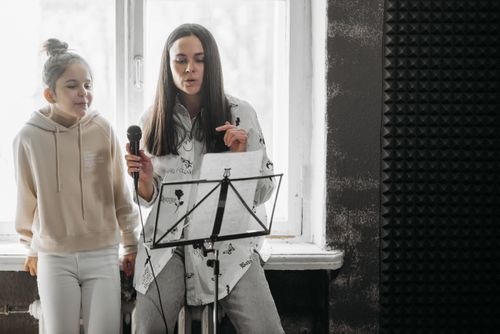
Parents searching for “singing lessons for children age 7–11 UK” are usually looking for a safe, engaging start—not a demanding repertoire test. Online lessons for this age group work best when activities are short, varied and matched to the child’s voice, attention and musical interests.
A child-centred lesson approach
At seven to eleven, a singing lesson might combine gentle breathing, comfortable vocal warm-ups, pitch matching, rhythm games and songs the child enjoys. The aim is to build listening, musical confidence and healthy habits without pushing the voice or expecting adult-level stamina.

Choose material that sits comfortably in the child’s range and suits their interests. A teacher can adjust the pace, repeat a phrase or take a short break. Singing should feel playful and positive; stop if a child experiences discomfort or strain, and discuss any vocal concerns with a qualified health professional.
Making online lessons engaging
A clear camera and microphone help the teacher hear and see the learner. A quiet room, a device at a comfortable height and a little space to move are useful; no special studio or costly equipment is required. A parent can help with the device and sheet music, while the teacher keeps instructions simple and offers the child time to respond.
- Use short activities that alternate listening, singing and movement.
- Keep water nearby and pause when the child needs a rest.
- Choose one small practice idea rather than a long list of homework.
- Let the child help choose songs within an appropriate range.
Regular lessons should fit school, family routines and the child’s willingness to participate. If attention or enthusiasm dips, shorten the activity or revisit the goal rather than turning practice into a test.
Parents, privacy and recordings
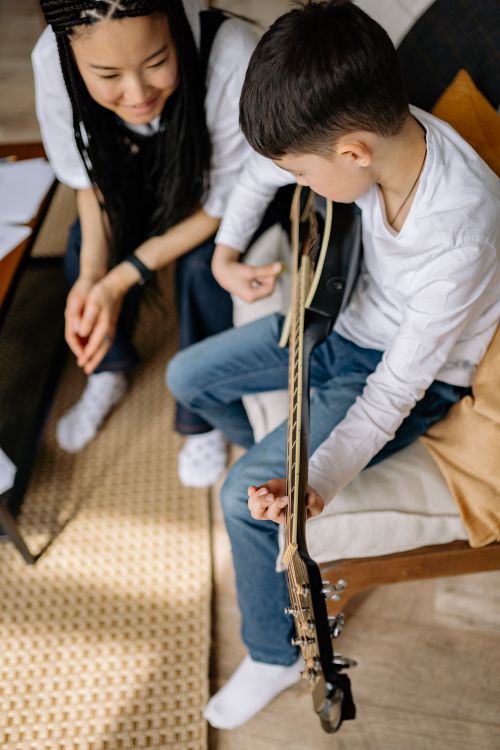
For younger learners, a parent or guardian should be nearby to help with the call and support the child. Agree who will be present and how the lesson will work before starting. Please obtain parent or guardian permission before recording or sharing any recording of a learner under 18; follow the relevant platform and school rules as well.
There is no need to publish a child’s performance online to make progress. Private practice and supportive feedback are enough for many beginners.
What a first lesson can look like
Start with a familiar tune the child is happy to sing or hum. The teacher can play or sing one short phrase, pause for an answer and notice whether the child is hearing the direction of the melody. A simple clap-and-repeat pattern checks pulse without turning the meeting into a test. From there, choose a comfortable phrase and sing it twice: once as heard, once after a small prompt about breath or pitch. A useful first outcome is one thing the child enjoys repeating, not a finished performance.
For home practice, keep the task small enough to succeed before enthusiasm fades: sing the same opening phrase on two separate days, or clap the beat while listening to the song. A parent can help find the track and provide a quiet space, but should not correct every note during the week. In the next lesson the child shows what stuck, and the teacher adjusts. If the tune sits too high or the child is tired, change material rather than asking for more volume.
Questions a parent can ask before enrolling
Ask who teaches the class, how the video call works, whether a parent should stay nearby, and how feedback is shared. Check the time and price of paid lessons separately from the free one-to-one introduction. Talk with the child about what music interests them: a film song, a school piece or a favourite melody can each be a sensible starting point. Lessons should help a child listen and express themselves; they are not a promise of an exam grade, a stronger voice by a deadline or a place in a choir.
Lesson options
Families considering lessons with Dr Banerjee can start with a free 15–30-minute one-to-one introduction before enrolment or payment. Monthly one-to-one plans are £40 for 4, £72 for 8 or £102 for 12 classes (45–60 minutes each); group classes are £48 per student for 8 fixed monthly sessions (60–90 minutes each). The introduction is one-to-one; there is no separate free group trial. Times are agreed with the family in advance subject to availability. See fees, the free introduction or contact options; WhatsApp +91 62800 75157 and drbnrj@gmail.com are available for enquiries.