Can You Really Learn Hindustani Music Online? Yes — Here Is How
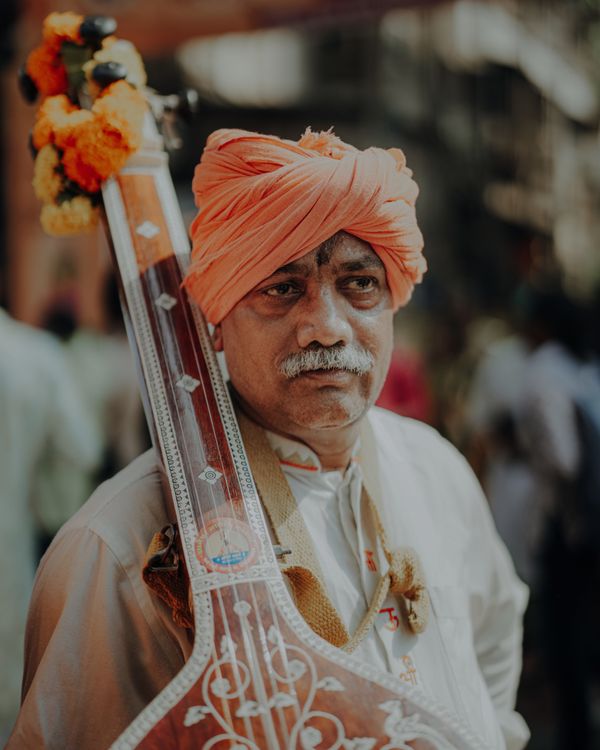
Indian classical music was never meant to be learned from a book. It is an oral tradition — guru-shishya parampara: a teacher sings a phrase, the student repeats it, the teacher corrects one thing, the student tries again. For centuries this meant sitting in the same room. It still works across a video call — because a video call is the same thing: one teacher, listening, correcting, one student, singing back. What changes is only the distance.
What makes it work online
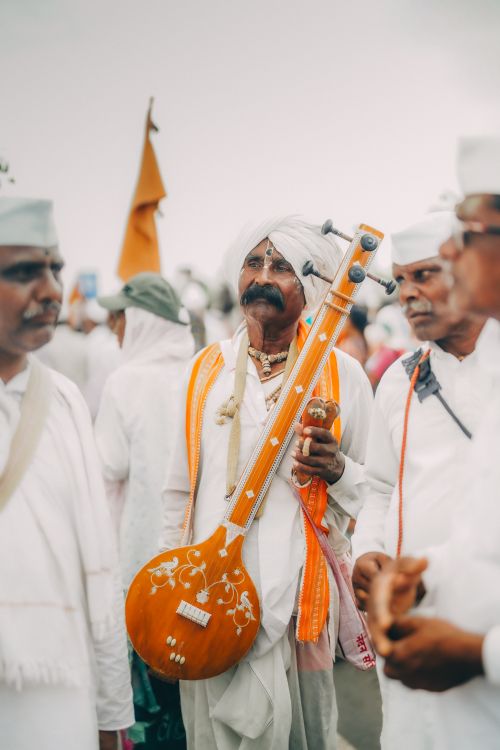
- The ear is the whole lesson. In Hindustani music, 90% of the teaching is listening and correcting. A camera and microphone carry that perfectly.
- Tanpura and rhythm are provided. Every lesson runs over a tanpura drone and a theka (rhythm cycle) track, so the student always practises in tune and in time — the two things beginners cannot supply for themselves.
- Notation is taught alongside. Sargam and bandish are written out in every lesson, so practice between lessons is independent — the student does not need the teacher present to know what to practise.
- The repertoire is sent. Lyric sheets with sargam, backing tracks and lesson notes and practice materials are shared after class; the teacher does not record lessons.
What a typical online lesson looks like
Two minutes of review — what held, what slipped.

The teacher sings it twice — once slowly, once at tempo. The student repeats it until it sits.
A breath placed wrong, a swara bent, a tala rushed. One correction, practised immediately.
A short, specific list: one phrase, one rhythm, one song — with the drone track to practise against.
The honest limitations
Two things are genuinely harder online. The first is the very first month — posture, holding the instrument, the physical feel of the tanpura — which is why the free demo lesson matters, and why the teacher watches the hands on camera. The second is group energy — the sangat, the collective singing of a bhajan evening, cannot be recreated on a screen. Everything else — sargam, raga, tala, repertoire, exam preparation — translates completely.
How UK students do it
Students in London, Birmingham, Leicester and Manchester arrange lesson times by agreement, subject to available slots. Children from age 7 and above begin with film songs and sargam; adults often begin with the tradition they left behind. Families enrol for bhajan and kirtan; serious students prepare for classical exams. All of it is taught personally in one-to-one lessons arranged to the agreed plan.
Do I need a tanpura app?
No — the drone and rhythm tracks are provided with every lesson. A student app is useful later, once the ear is trained, but it is not needed to begin.
Can a child learn classical singing online?
Yes — from age 7 and above, with patient pacing. Many children start with Bollywood singing and move into classical when their ear and breath are ready.
How is it different from a YouTube tutorial?
A tutorial cannot hear you. It cannot notice that your “ma” is flat, or that your theka rushed, or that you are holding your breath. The correction loop — sing, hear, fix — is the entire tradition, and it needs a listener.
Is there a free trial?
The free one-to-one introduction is a live 15–30-minute class before normal enrolment and payment. Book it on the free one-to-one introduction page.